


Operations
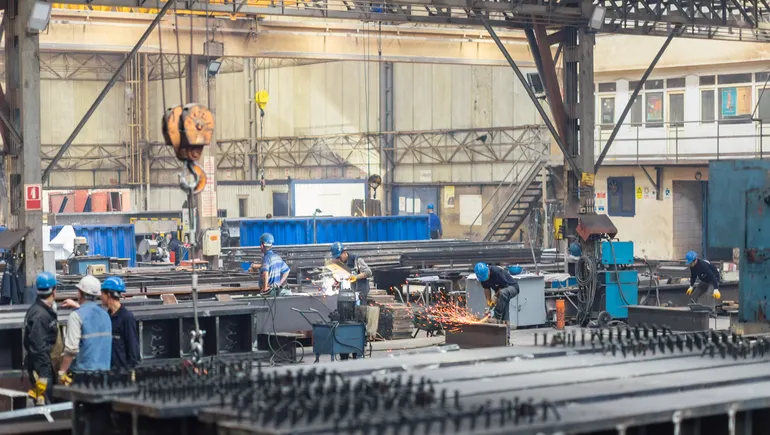
Data released by the U.S. Bureau of Labor Statistics on September 4 showed that manufacturing added 16,000 jobs in August, raising total industry employment to nearly 12.64 million. The ISM employment index fell 1.6 percentage points from July to 51.2%, but overall manufacturing economic activity expanded for the eighth consecutive month to 54.6%.
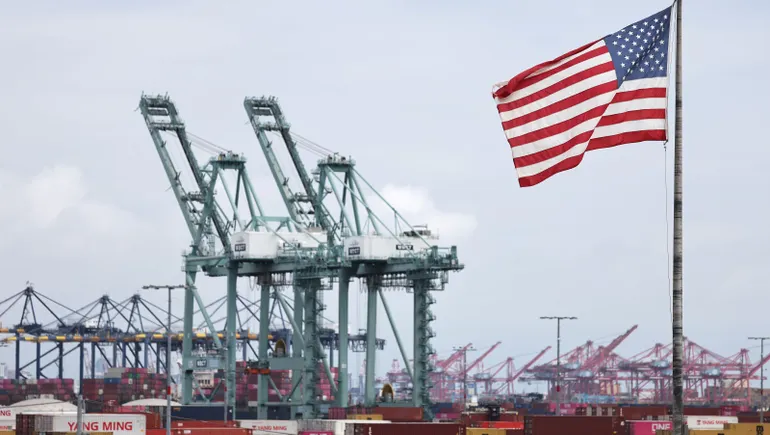
According to the 2026 Reshoring Survey report by Reshoring Initiative and Regions Recruiting, 36% of OEM respondents this year said they have reshored or are actively reshoring, up from 29% last year. Despite tariff uncertainty worrying most companies, 63% of OEMs still plan to invest capital in reshoring or domestic expansion.
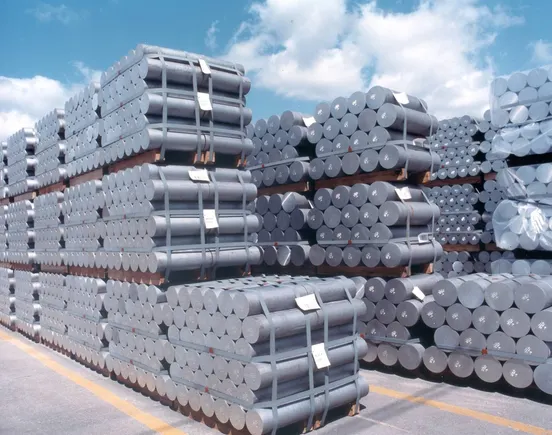
The U.S. Department of Justice filed documents last week requesting that a federal judge dismiss a lawsuit by Oklahoma Attorney General Gentner Drummond that seeks to block construction of a $4 billion primary aluminum smelter in Inola by Emirates Global Aluminum and Century Aluminum. The Justice Department supports the project, stating it contributes to national security and reduces reliance on aluminum imports from China. As of Thursday morning, the judge had not yet ruled. A separate lawsuit filed by a group of local residents also seeks to block the project, alleging that the Department of Energy approved up to $500 million in federal funding without adequate environmental review.
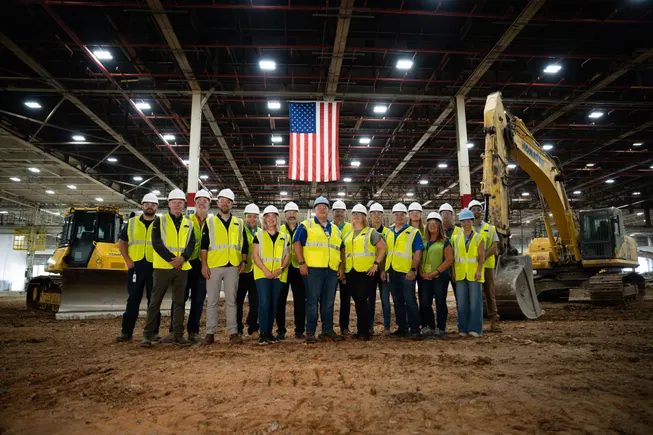
GE Appliances announced it will invest $1 billion in Louisville, Kentucky, to expand its laundry product production lines and transfer some production capacity from Mexico to the United States. This move is part of its $3 billion U.S. manufacturing investment pledged last year.

Recently, contract negotiations between manufacturers such as Boeing, U.S. Steel, Cleveland-Cliffs, and Deere and unions have entered a critical phase. Boeing engineers and technicians rejected a four-year proposal and authorized a strike; U.S. Steel and Cleveland-Cliffs received a 30-day contract extension; Deere workers rejected a two-year extension proposal, and negotiations may continue into 2027.

Chobani plans to invest $1.2 billion to acquire and expand a plant in Allentown, Pennsylvania, formerly owned by Keurig Dr Pepper, with a transaction amount of $125 million. The new plant will produce high-protein, low-sugar milk and support the company's over $4 billion investment plan in its U.S. manufacturing network.
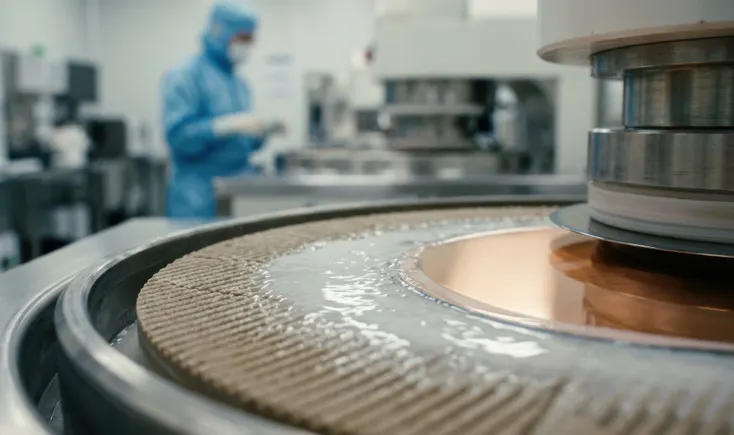
Semiconductor manufacturers are investing heavily in new capacity worldwide, with governments in the US, Europe, and Asia continuing to support initiatives to strengthen local semiconductor ecosystems. However, site selection is only the first step; the more challenging task is transferring years of accumulated process optimization, quality control, and operational expertise to new facilities while maintaining equivalent performance levels. This article analyzes challenges in semiconductor reshoring, including compliance, equipment qualification, automation integration, and data continuity, and points out that through standardized equipment, measurement techniques, service procedures, and operating practices, combined with plug-and-play technologies and global service networks, companies can reduce expansion risks and achieve efficient cross-regional replication.

Manufacturers are entering the second half of 2026 with cautious optimism, balancing cost pressures from 4.2% inflation against strategic investments in localized supply chains, energy planning and AI projects. Experts highlight the importance of inventory placement and flexibility amid geopolitical and rate uncertainty.

In manufacturing processes, weighing accuracy directly affects product quality, operational efficiency, and compliance. Selection cannot be based solely on capacity and dimensions; it requires a comprehensive consideration of process requirements, environmental conditions, sensor performance, and long-term maintenance. This article outlines key considerations and introduces METTLER TOLEDO's GWP® scientific approach, emphasizing that high resolution does not equal high accuracy, and that systematic calibration and maintenance are essential to ensure sustained reliability.
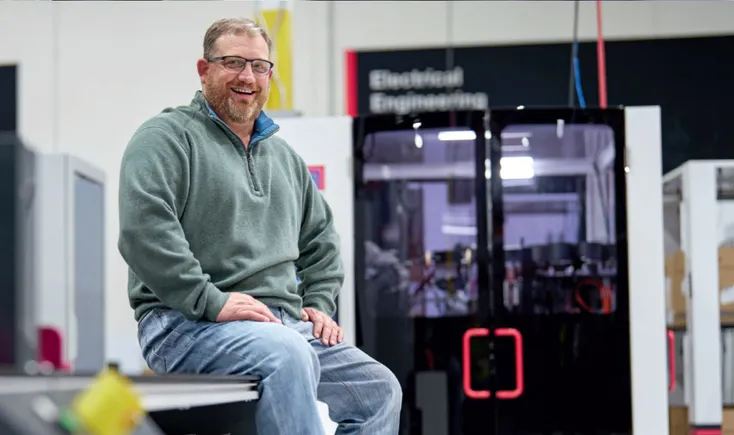
Manufacturing enterprises often lose efficiency and profit due to information gaps between design, procurement, and production. Eplan and Rittal integrate the process from design to delivery into a single data chain through digital twin technology, eliminating manual handover steps. The case of R&D Specialties shows that after adopting this solution, the team size was reduced from 14 to 8 people, productivity increased by 40%, and no additional hiring was needed.