


Sustainability
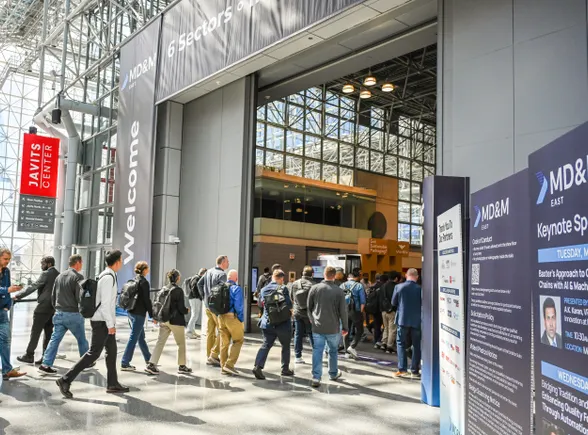
As U.S. manufacturing navigates a transitional period marked by both policy incentives and employment pressures, the 2026 series of industry conferences will focus on the adoption of automation technologies and navigating trade policy uncertainties. Events such as IMTS, The Battery Show, Semicon West, Fabtech, and the American Food Manufacturing Summit will bring together global experts, executives, and policymakers to showcase the latest technologies and discuss the industry's future.
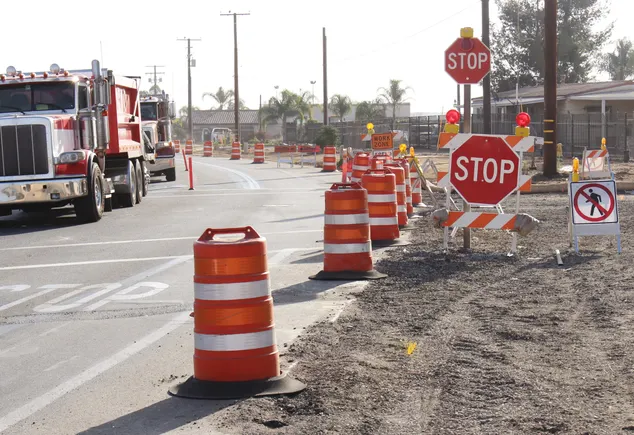
The U.S. Environmental Protection Agency (EPA) announced a proposed rule on May 11 to redefine 'commencement of physical work,' allowing companies to build non-emitting components or structures before obtaining major New Source Review (NSR) permits, in support of manufacturing, electricity, and data center development. The National Association of Manufacturers (NAM) welcomed the move, stating it will reduce uncertainty in the permitting process and accelerate key project progress. The comment deadline is June 29.
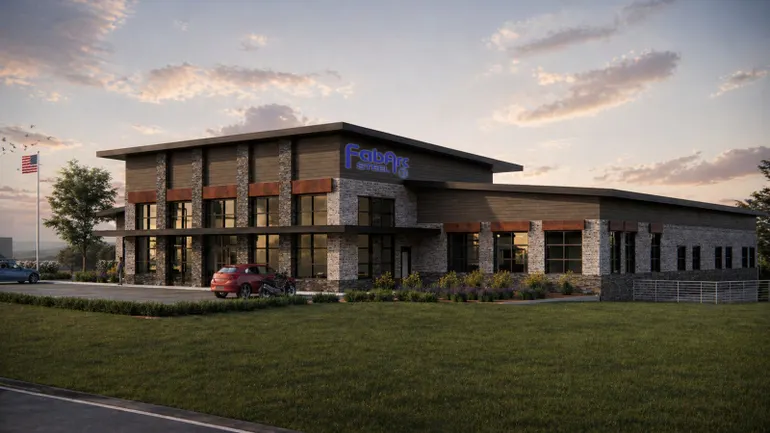
U.S. steel and aluminum producers are expanding operations to meet demand from automotive, industrial, and data center projects. Entergy will supply power to Hyundai Steel-Posco's plant in Louisiana, Alcoa is investing $65 million to expand its Norwegian smelter, and FabArc Steel Supply has broken ground on a new headquarters in Alabama.
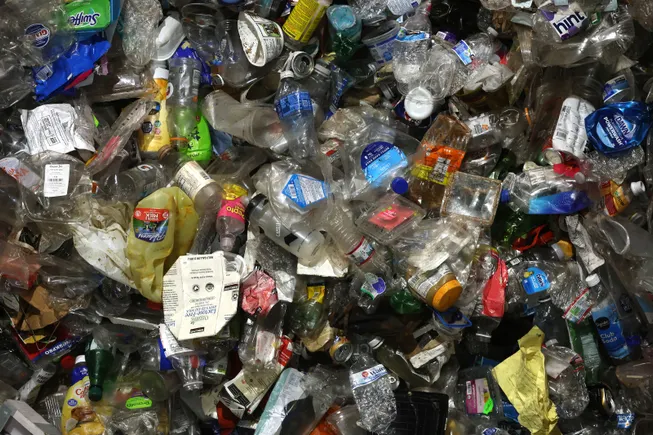
Following California's finalization of SB 54 regulations on May 1, CalRecycle released multiple guidance documents on May 11 to help producers understand compliance requirements. The guidance includes a producer identification flowchart, definitions of covered materials (single-use plastic packaging and food service ware), exclusion categories (such as reusable packaging, medical device packaging, etc.), and the submission process for exclusion notifications for food and agricultural packaging. Producers must complete registration or submit data by June 1, and the Circular Action Alliance's draft plan is due to be submitted on June 15.

CitroTech and Hexion announced in April the formation of the joint venture HexiTech, each holding a 50% stake, which will combine CitroTech's flame-retardant intellectual property with Hexion's production and commercial capabilities to develop and sell a new generation of fire-resistant wood products. Hexion will also provide CitroTech with a loan facility of up to $6 million. The technology aims to overcome the limitations of borate-treated wood, and its products, made from grains, fruits, and vegetables, have received EPA Safer Choice certification.
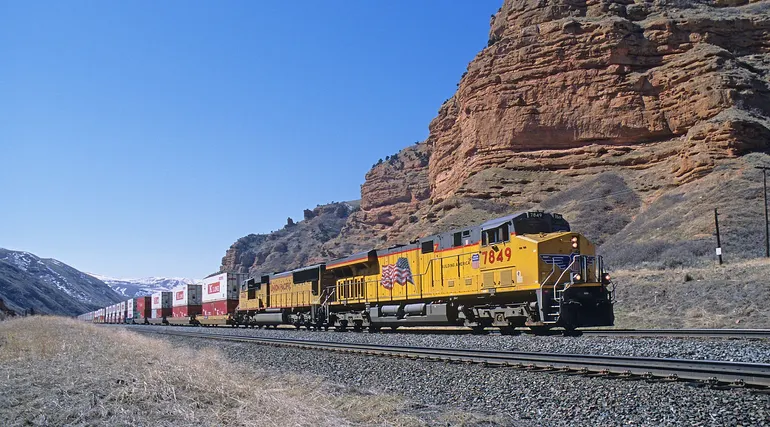
Rocky Mountain Steel officially commenced operations at its new plant in Pueblo, Colorado, and delivered the first batch of long rails to Union Pacific Railroad, marking the launch of the $1.2 billion project and the start of a seven-year contract.
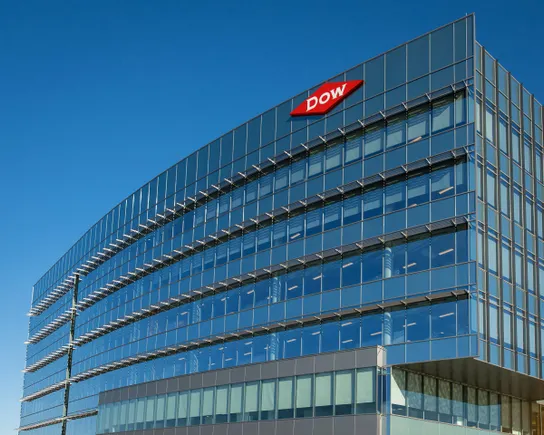
Dow Chemical announced senior leadership changes: current Chief Operating Officer Karen Carter will become CEO on July 1, 2025, succeeding Jim Fitterling, who has led the company since 2018. Carter has been with Dow for over 30 years and previously headed its largest business unit, Packaging & Specialty Plastics.
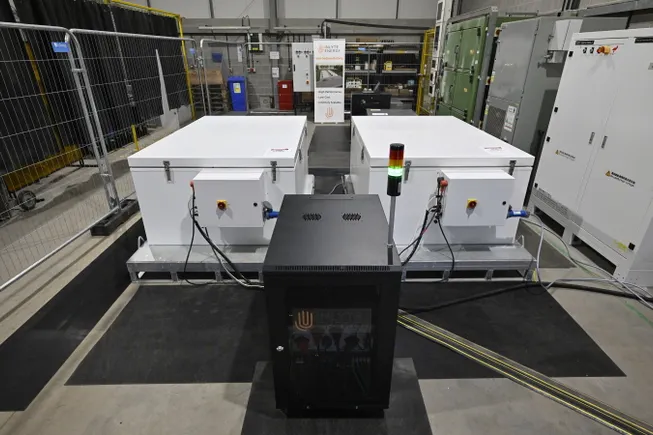
Inlyte Energy and Ervin Industries announced an agreement on March 24 to collaborate on developing new iron powder formulations. If successful, the partnership will help improve Inlyte's battery performance, expand its U.S. supplier base, and reduce reliance on overseas materials. Both parties will invest resources to advance the project, with Inlyte planning to begin commercial delivery of domestically produced sodium battery systems by 2027.
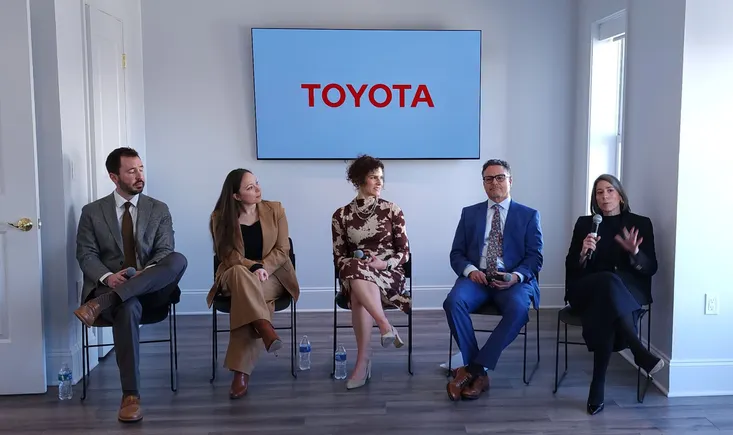
Adam Farris, Toyota's director of international trade and supply chain, said at the CTA Innovation House event on Wednesday that the company is preparing for the U.S. federal government's review of the USMCA, scheduled to begin on July 1, 2026. Lena Moulckers, Toyota's director of supplier policy outreach, noted that tariffs affect all key supply chain participants, especially auto parts suppliers who are often overlooked. Toyota has collected feedback through supplier clinics and emphasized that the USMCA provides a stable framework for the North American auto industry. Leila Afas, Toyota's vice president of global public policy and strategy, warned that without the USMCA, supply chains would fragment and investment would freeze, and called for the review to focus on rules such as regional value content, avoiding excessively high thresholds that could harm industry competitiveness.

Global manufacturing is transitioning from digital experimentation to large-scale deployment, with Agentic AI emerging as a core trend in 2026. This article reviews the insights gained from the volatility of 2025, analyzes the evolution of AI from prediction and generation to autonomous action, emphasizes the importance of integrated platforms, data unification, and workforce skill upgrades, and points out that the integration of sustainability and profitability will be a key path for manufacturing enterprises to build resilience.