


Operations
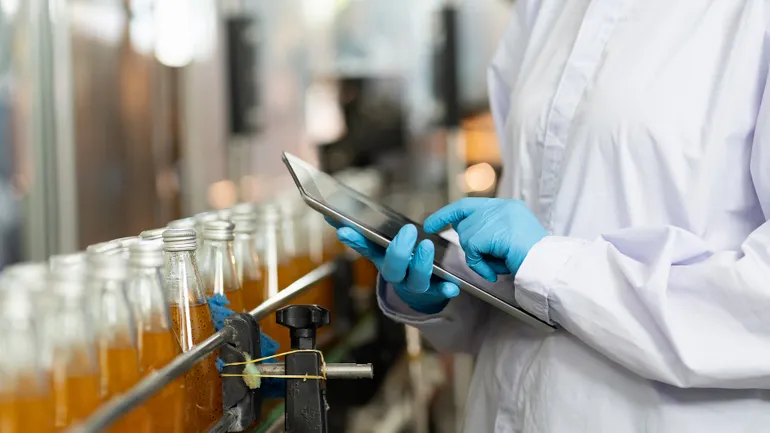
An EHS manager at a mid-sized specialty chemical manufacturer faced relentless questioning during an audit: how conclusions were reached, who signed off, and when regulations were last checked. The answers existed, but the chain of evidence did not. This reflects the new normal in manufacturing compliance: access to information is no longer the bottleneck—defending the answer is. With regulations such as PFAS restrictions, REACH, TSCA, and GHS 7 changing frequently and unevenly, teams must prove that decisions were grounded in evidence at the time and reviewed by qualified personnel. Risks often lurk in single-person decisions, missing records, personnel turnover, or inconsistencies across sites. Leaders should ask themselves: Can they quickly trace the source of an answer? Do they know who reviewed it and when it was confirmed? Can they defend past decisions without rebuilding them from scratch? The industry is shifting toward traceability and expert validation as core requirements, with the goal being answers that stand the test of time.
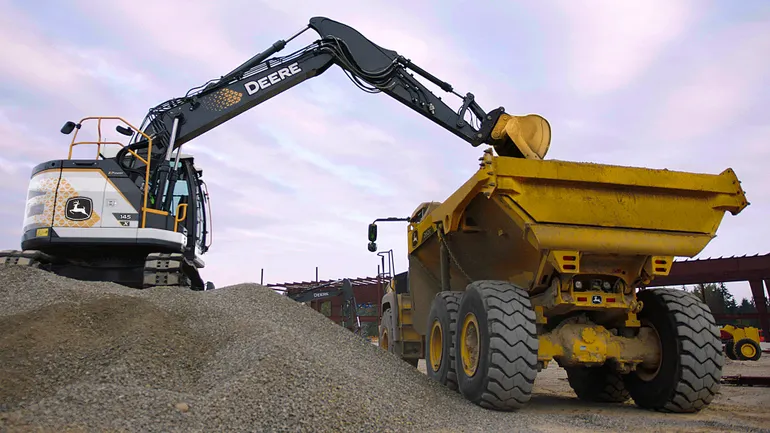
Deere & Company raised its 2026 sales outlook, benefiting from increased orders for construction equipment driven by data centers and large infrastructure projects. The company's construction and forestry division saw quarterly sales up 18% year-over-year, but the agricultural division still faces challenges.
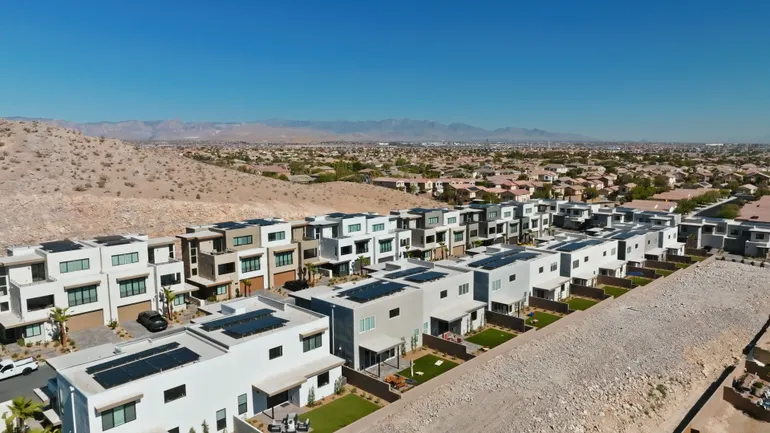
Tesla, Inc. has submitted a proposal to the Texas Comptroller of Public Accounts to invest $10.1 billion in a solar cell and module manufacturing facility near Houston, dubbed Project Crystal Sun. The project, filed on Aug. 6, would create 9,712 full-time jobs and support over 1,000 construction jobs. If incentives are secured, construction could begin this year with operations targeted for Q1 2029. The facility is part of Elon Musk's broader plan to build 100 GW of annual U.S. solar manufacturing capacity, alongside SpaceX's separate solar factory efforts.
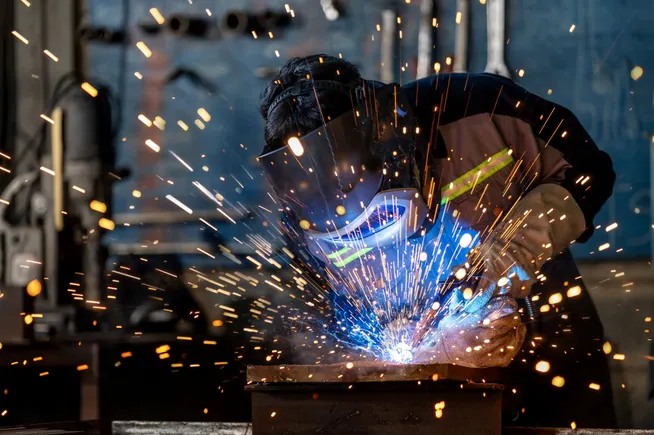
Illinois Gov. JB Pritzker signed a bipartisan bill that, starting in the 2028-2029 school year, will let high school students fulfill the state's two-year foreign language graduation requirement with career and technical education courses in fields such as advanced manufacturing, CNC machining, welding, robotics and automation. The legislation, SB3070, aims to address workforce shortages and preserve access to hands-on training programs that were being cut due to scheduling conflicts.
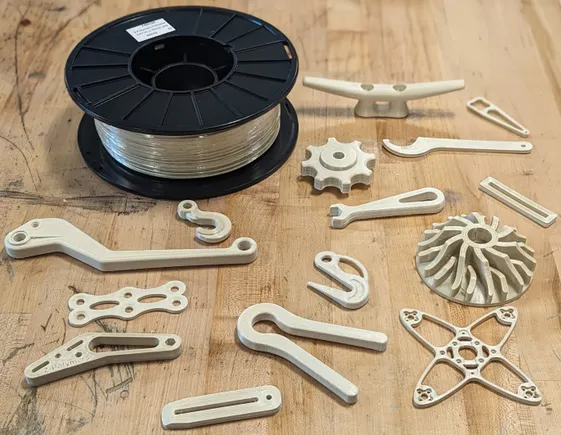
Z-Polymers首席执行官Mike Zimmerman近日接受Manufacturing Dive专访,强调新材料是制造业创新的核心引擎。他指出,尽管开发新工艺和设备相对容易,但真正驱动产品突破的是材料创新。其公司研发的Tullomer材料强度远超钢材,且具备耐高温、低废弃物等特性,已在医疗、航空航天等领域应用。Zimmerman还就材料开发周期长、资金短缺、人才流失及AI在材料科学中的潜力等话题分享见解。

Ford Motor Co. will phase out China-built Lincoln models for the U.S. market, boosting domestic production from 2030. The decision affects the Nautilus SUV, currently assembled in China by Changan Ford, and aligns with Ford's goal to expand U.S. manufacturing and jobs.
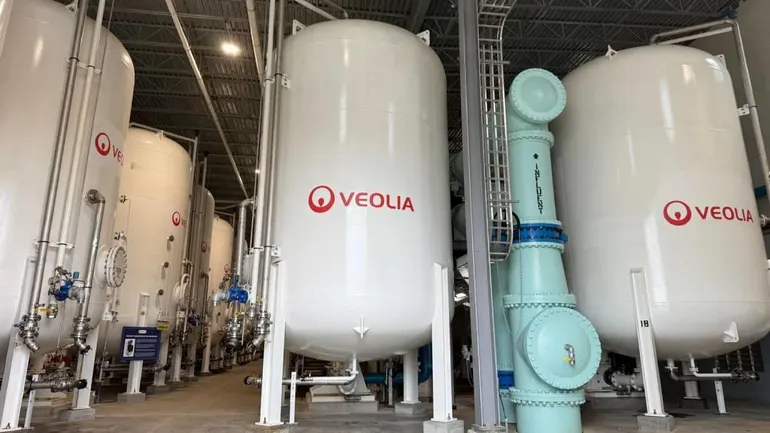
Veolia filed a lawsuit on Tuesday against current and former manufacturers at six sites upstream of its Stanton Water Treatment Plant in Wilmington, Delaware, alleging they contaminated water with PFAS. The company seeks to recover the cost of its $35 million granular activated carbon facility and ongoing maintenance expenses. The lawsuit highlights the broader legal battles over who bears responsibility for PFAS remediation.
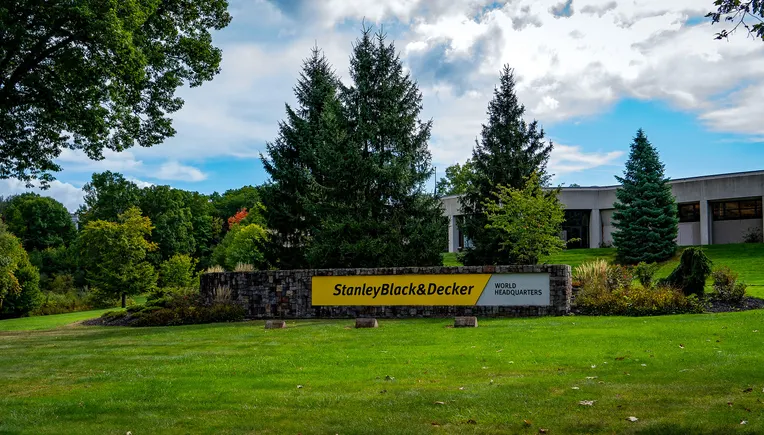
Stanley Black & Decker will invest $1 billion across U.S. manufacturing, R&D, and workforce training through 2028, addressing a widening skilled trades gap. The company also progresses on its $60 million training commitment, having deployed $27 million to date.
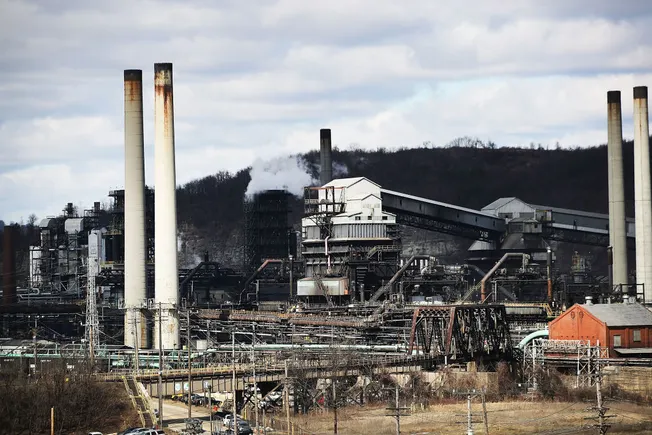
One year after a fatal coke oven gas explosion at U.S. Steel's Clairton, Pennsylvania facility killed two workers and injured 11, the U.S. Chemical Safety and Hazard Investigation Board (CSB) released its final report, determining the incident was preventable. The CSB found that an informal, undocumented maintenance procedure using pressurized water on a 70-year-old cast iron valve led to a gas leak and ignition. The agency cited deficiencies in procedures, hazard analysis, facility siting, and process safety management, and issued recommendations to U.S. Steel, its parent Nippon Steel North America, and contractor MPW Industrial Services.
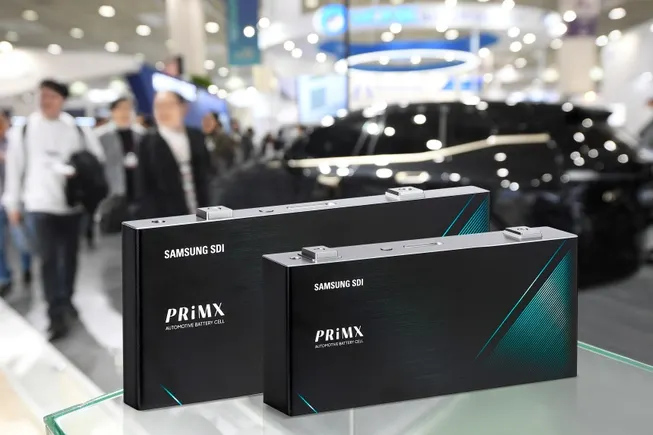
Samsung SDI has acquired General Motors' entire 49.99% stake in the SynergyCells EV battery plant in New Carlisle, Indiana, making the facility its first wholly owned battery factory in North America. The move reflects GM's revised electrification strategy amid slower-than-expected EV demand. Samsung SDI will repurpose the plant for stationary energy storage batteries and other high-tech applications. The companies also signed a new agreement to develop high-energy-density, fast-charging prismatic cells for future EVs.