


Operations
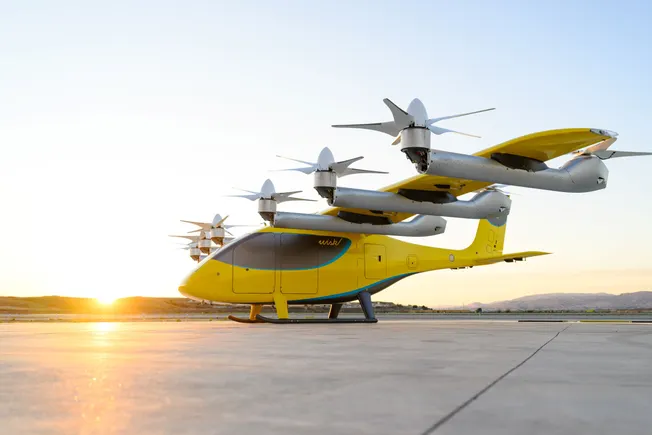
Boeing is divesting three subsidiaries—Wisk Aero, Insitu, and Skygrid—to electric aircraft maker Archer Aviation, acquiring a minority stake and agreeing to invest up to $55 million in Archer's next funding round. The transaction, disclosed in a Monday securities filing, is slated to close by the end of 2026.
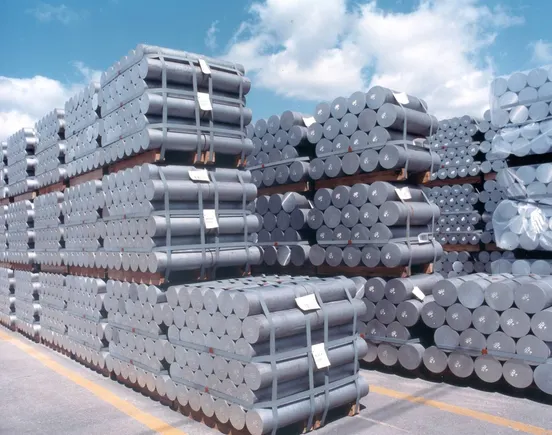
Century Aluminum's CEO Jesse Gary confirms the Oklahoma smelter project remains on schedule for groundbreaking this year and hot metal production by end of 2029, despite local legal challenges and permit reviews.
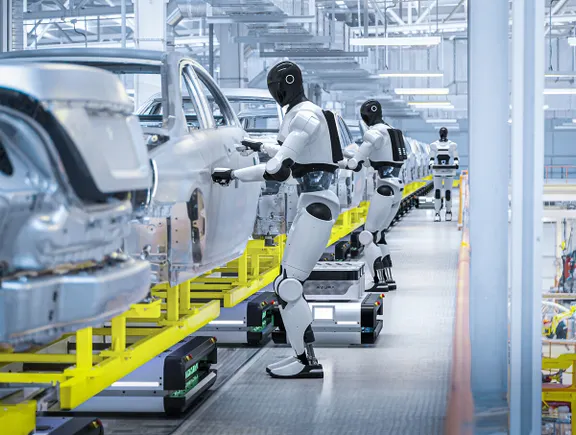
The U.S. Federal Communications Commission (FCC) updated its covered list on July 28, banning the import and sale of foreign-made mobile robots and connected power inverters, sparking heated discussion among experts. Some experts believe this move aims to boost domestic robot production, but others worry it may affect allies and impact the supply chain.
GlobalFoundries' second-quarter revenue was $1.79 billion, up 9% sequentially, with record year-over-year growth in the communications infrastructure and data center end markets. The company completed the acquisition of Synopsys' ARC processor IP business and received a $375 million grant from the U.S. Department of Commerce to advance quantum manufacturing.

Medical device manufacturer Steris announced a $600 million investment to build a manufacturing and distribution center in Sanford, North Carolina, consolidating existing operations and creating 335 jobs, with operations expected to begin within the next two to three years.
Caterpillar reported second-quarter results with record sales and revenue of $20.5 billion, up 24% year-over-year, driven by demand for data center generators, construction equipment, and the energy sector. The company raised its full-year guidance and resumed production of 10-megawatt gas engines.
In the supply chain, product, compliance, shipping, and packaging data must be transmitted across multiple parties, and even the most robust internal AI management within a company cannot ensure that all trading partners have consistent information. Loftware's AI system, Loftware Connect, aims to address this pain point by using a publish-subscribe model with AI assistance, enabling suppliers, factories, logistics providers, and others to share unified label standards, reducing redundant work and errors. CEO Jim Bureau spoke with Manufacturing Dive, discussing how the system shortens the label template creation cycle (from 4-5 months to a shorter period), verifies shipping notices through real-time data checks (e.g., 50 products actually packed as 50), and advises companies to first move to the cloud to manage packaging and labeling issues from an enterprise-level perspective.
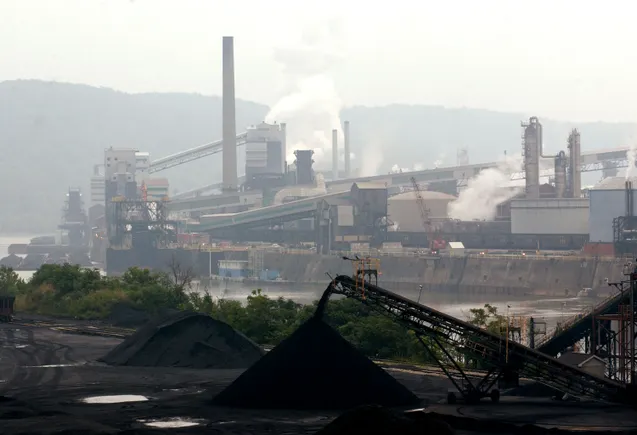
One year after Nippon Steel acquired U.S. Steel, the latter has become the group's growth engine. Latest quarterly data shows U.S. Steel contributed 32.2 billion yen in base business profits, accounting for nearly 30% of the group; the company raised its fiscal 2026 profit guidance for U.S. Steel to 180 billion yen and plans to invest $11 billion in the U.S. by 2028.
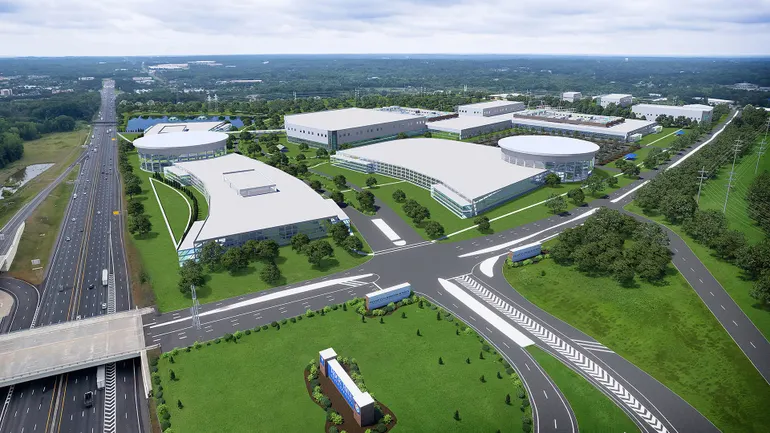
Swiss Octapharma plans to invest $1.5 billion to build its first biopharmaceutical production base in the U.S. in Rock Hill, South Carolina, covering 50 acres, expected to create 1,500 jobs, with operations beginning in the mid-2030s.

Eric Trump announced an investment in the $638 million merger between defense geospatial technology company Space-Eye and special purpose acquisition company McKinley Acquisition Corporation. McKinley has secured up to $75 million through a private placement of public equity. The combined company will operate under the name Space-Eye, with the transaction expected to close in the fourth quarter.