


Operations

Traditional data historians were originally designed to serve a single factory, but now face cross-site, high-frequency, multi-system industrial data flows, and their limitations are increasingly prominent. Benjamin Corbett, Solutions Engineer at InfluxData, points out that changes in data forms and working methods have made these legacy tools bottlenecks. This article outlines their three core bottlenecks: data silos, insufficient scalability, and closed interfaces, and explores a modernization path oriented toward business outcomes and deploying dedicated time-series platforms.

The U.S. electricity supply-demand gap is expected to emerge within two years, potentially reaching 175 gigawatts by 2030. Manufacturers, whether or not they rely on grid expansion, face risks of outages, power quality issues, and costs. Behind-the-meter power generation (BYOP) offers a breakthrough, with fuel cells standing out due to high reliability, low emissions, and rapid deployment. This article reviews mainstream options and key selection criteria to support corporate energy independence decisions.

Resilience and Lilly announced on Thursday that they will jointly invest $750 million to expand pharmaceutical production in the Cincinnati, Ohio area, including additional capacity for GLP-1 weight-loss injections. The expansion will add at least 400 new jobs, bringing Resilience's total workforce across two facilities to over 1,400 employees. Since the partnership began in 2023, the two companies have produced more than 150 million doses of medication. Site preparation is underway, with full production expected to begin in early 2027.

Boeing reported second-quarter 2026 results, with revenue up 8% year-over-year to approximately $24.6 billion, with growth across all three business segments. The company's CFO stated that full-year cash flow is expected to turn positive and plans to increase production of the 737 and 787. Additionally, Boeing is advancing capacity expansion projects in Arizona and South Carolina and engaging in contract negotiations with unions.

Stanley Black & Decker's second-quarter net sales were approximately $4 billion, with net profit reaching $351.3 million, more than doubling year-over-year. Tariff refunds contributed a 6 percentage point increase in profit margin, and after the sale of the aerospace business, the company repaid $1.7 billion in debt and repurchased shares. The company raised its full-year adjusted earnings per share to $5.20-$5.80.

The U.S. Army has awarded prototype development contracts to Ford Motor Company, General Motors Defense, and BC Customs as part of its Heavy Infantry Squad Vehicle (ISV-H) upgrade program. Each of the three companies will develop three prototype vehicles for competition, with the first prototypes expected to be delivered by March 30, 2027. The winner will receive a contract to produce more than 600 ISV-H vehicles.
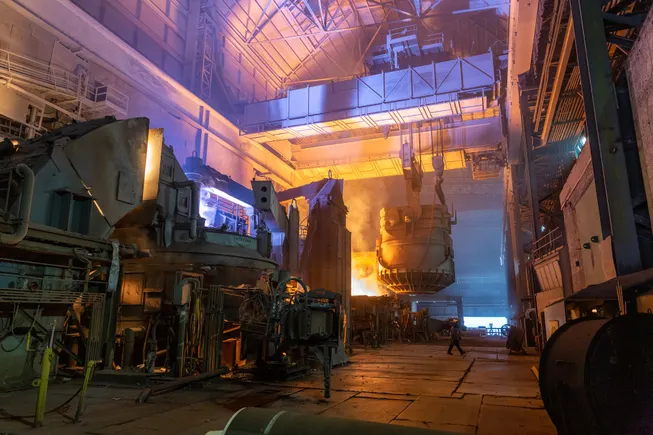
Nucor Steel's Q2 2026 steel shipments reached 7.1 million tons, a record high, up 10% year-over-year; net income was $1.2 billion, a significant increase of 92%. Benefiting from higher steel prices driven by Section 232 tariffs and robust domestic demand, the company expects continued profit growth in Q3.

Intel's second-quarter 2026 revenue reached $16.1 billion, up 25% year-over-year, hitting a 15-year high. AI and data center product revenue totaled $6.3 billion, up 59% year-over-year. The company raised capital expenditure to over $20 billion and revealed significant yield improvements at 18A, with the 14A node attracting customer interest.

Cleveland-Cliffs Inc. reported Q2 earnings with adjusted EBITDA of $286 million, its best quarter in two years. Despite maintenance shutdowns and contract lags, the company expects Q3 results to more than double and announced CFO Celso Gonçalves has been promoted to President and Director.

The latest report from California cybersecurity firm SonicWall indicates that while the number of cyberattacks facing the manufacturing sector has declined significantly compared to the same period last year, the threat level remains severe. In the first half of 2026, malicious traffic in this industry decreased by 56.2% year-over-year, the largest drop among all tracked sectors, yet the total still reached as high as 474 million incidents. The report emphasizes that as factories connect more operational technology to the internet, the attack surface continues to expand, and security models have not kept pace.