


Latest news
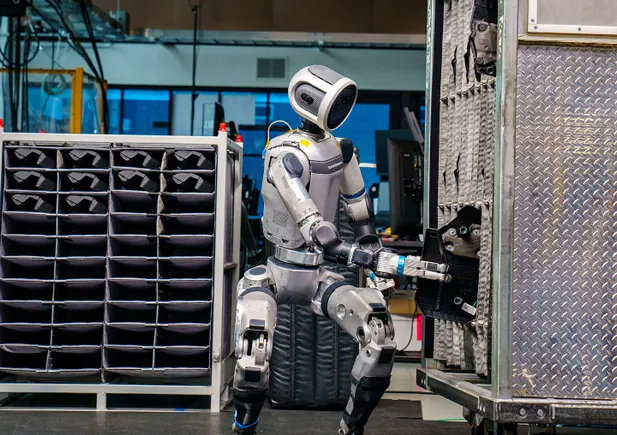
At the 2026 CEO Investor Day, Hyundai Motor announced it will accelerate robotics commercialization based on Boston Dynamics, planning to produce humanoid robots in the U.S. by 2028 with an annual capacity of 30,000 units, and has already secured orders for 25,000 units.

Lam Research announced the groundbreaking of a new R&D center in Tualatin, Oregon, under the company's $3 billion, five-year global laboratory network investment plan, focusing on advanced AI chip manufacturing. The new facility spans 120,000 square feet, is expected to open in 2028, will boost cleanroom space by over 50%, and create more than 400 job opportunities.

Microsoft co-founder Bill Gates called in a blog post for taxing AI and robots to address labor displacement, but industry bodies such as the International Federation of Robotics oppose this, arguing that automation creates jobs and that taxation would harm competitiveness.
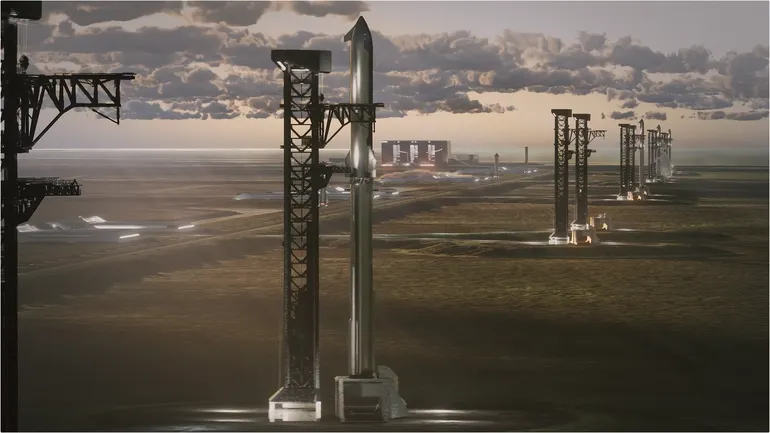
SpaceX announced it will invest $100 billion to build its largest spaceport on Pecan Island, Louisiana, for launching reusable Starship spacecraft. The facility will include five launch complexes, propellant production facilities, and employee housing, and is expected to create 3,000 direct jobs. The site was formerly owned by ExxonMobil, with construction planned to begin in 2027 and a target first flight in 2029.
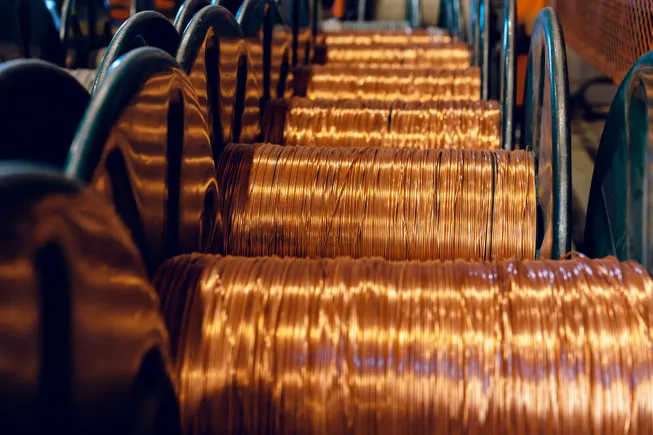
On August 26, the Office of Critical Minerals and Energy Innovation under the U.S. Department of Energy proposed providing a total of $10 million in funding for seven projects, led by the Critical Materials Innovation Center, focusing on early-stage recycling and refining research for critical materials such as heavy rare earths, gallium, and copper. Assistant Secretary Audrey Robertson stated that this move will unlock new production methods and strengthen the domestic supply chain. The projects involve universities, companies, and national laboratories, covering innovative processes such as molten salt electrolysis, bioleaching, and nanobubble leaching. Previously, the Department of Energy had announced $500 million in funding for battery material projects, and the Department of Defense, through its Strategic Capital Office, had signed loan agreements exceeding $2 billion to support related enterprises.
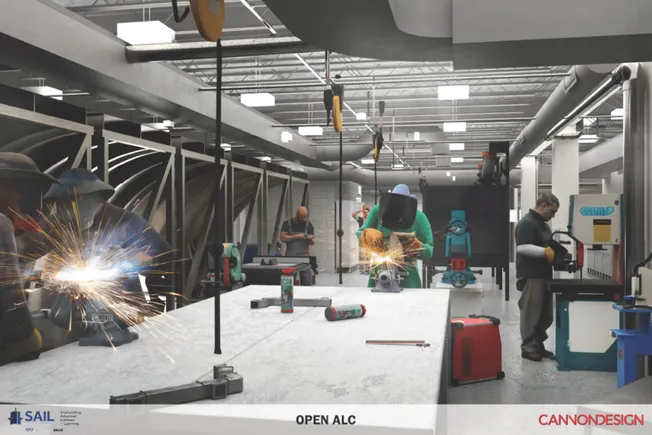
Electric Boat, a subsidiary of General Dynamics, announced an investment of $25 million to partner with New England Institute of Technology to establish a submarine workforce training center in Warwick, Rhode Island. After expansion, the training space will increase from 30,000 square feet to 100,000 square feet, with an expected training of approximately 3,000 new workers within three years.

The Canadian government announced on Tuesday that it will impose retaliatory tariffs of up to 50% on a range of U.S. goods, covering hundreds of steel and aluminum products and derivatives, in response to U.S. tariffs implemented under Section 338 of the Trade Act of 1974 and Section 232 of the Trade Expansion Act of 1962. This move surprised metal industry experts, as market research institutions had previously anticipated a possible agreement to lower tariffs between the two sides. Canada also introduced a C$7.5 billion support package to mitigate the impact on domestic businesses and workers.

Manufacturers are entering the second half of 2026 with cautious optimism, balancing cost pressures from 4.2% inflation against strategic investments in localized supply chains, energy planning and AI projects. Experts highlight the importance of inventory placement and flexibility amid geopolitical and rate uncertainty.
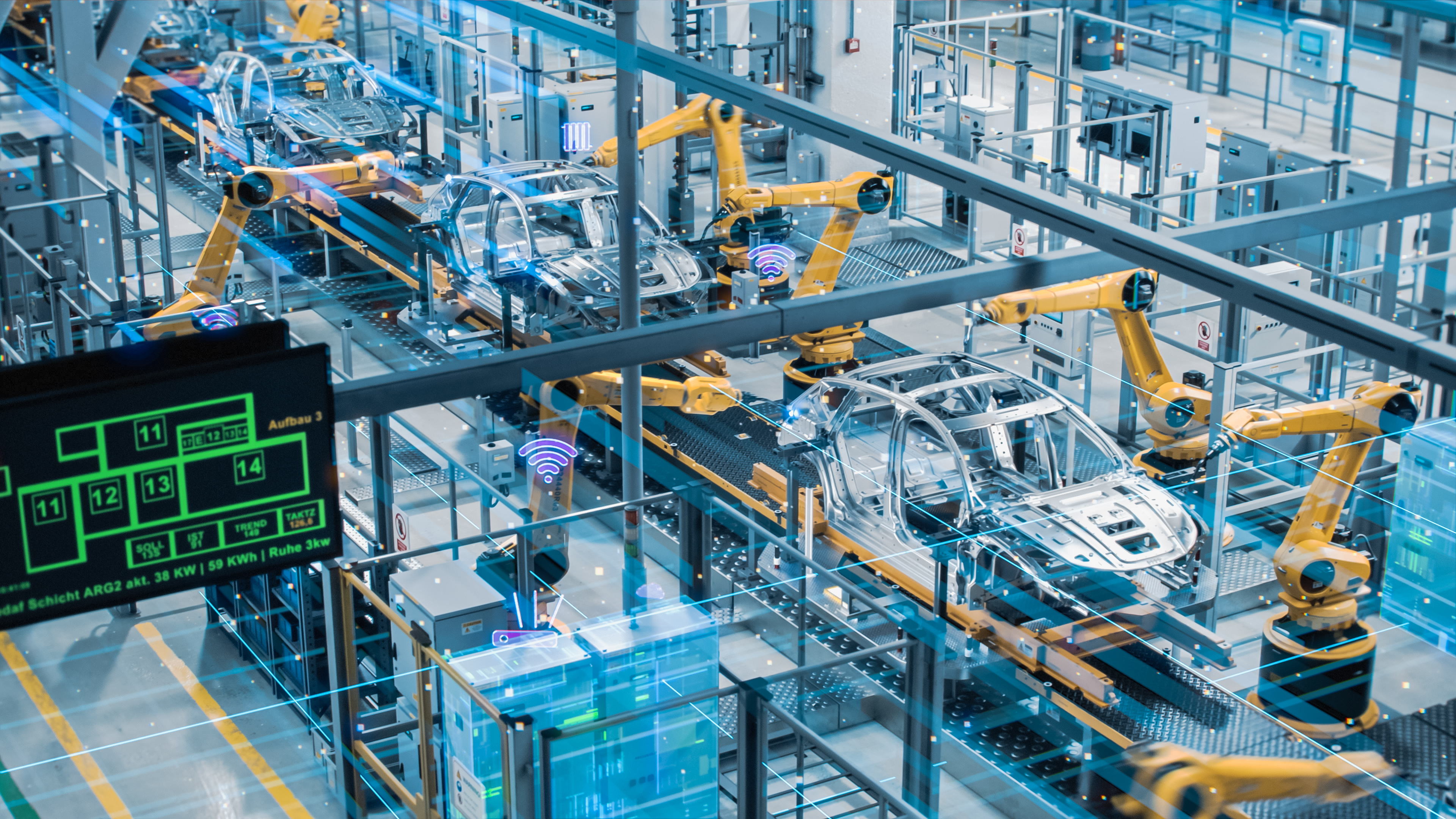
PwC's latest industry outlook shows that global industrial manufacturers expect to increase the adoption rate of advanced technologies such as automation and artificial intelligence from 26% to 68% by 2030. The survey, covering 443 executives, indicates that adoption is highest in production operations and product design, while support functions such as finance and human resources will grow fourfold. Report author Ryan Hawk emphasizes that the gap between companies is widening, and future competitive advantage will depend on technology integration and talent readiness.
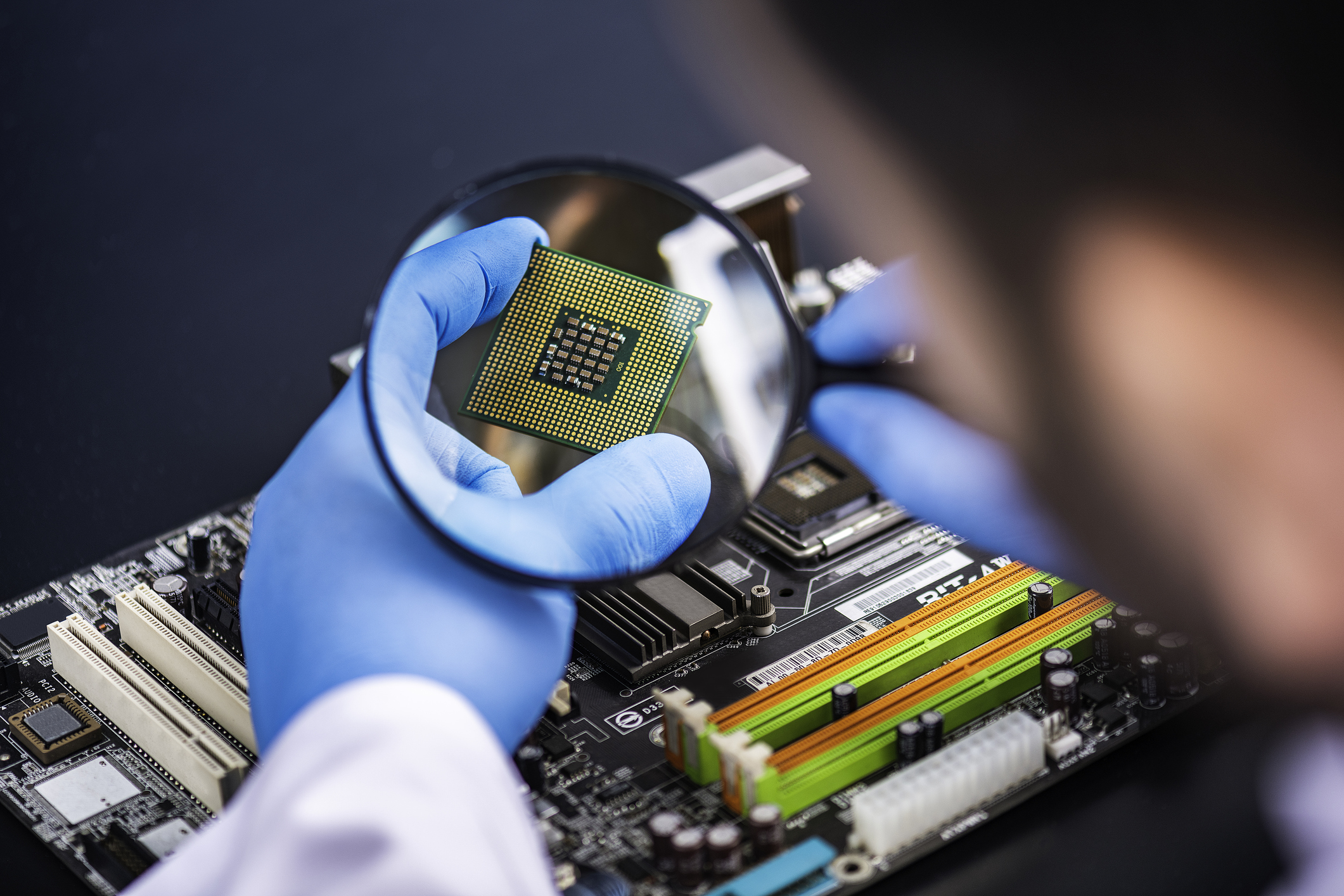
The semiconductor industry's path toward a trillion-dollar market value is not constrained by a lack of innovation, but is throttled by physical resources such as electricity, copper, and helium, as well as geopolitical constraints. Omdia's latest report shows that behind the AI chip delivery delays in 2026 is the combined effect of energy shortages, soaring material prices, and scarcity deliberately created by manufacturers.