


Latest news

At the Automate conference in Chicago, Josh Leath of Yaskawa Motoman stated that AI is enabling collaborative robots (cobots) to expand from repetitive programming tasks to broader applications such as quality inspection and real-time adjustments. Software evolution makes training simpler, with intelligent teach pendants gradually replacing traditional hand guides, and industry terminology shifting toward "collaborative applications" in line with updated safety standards.
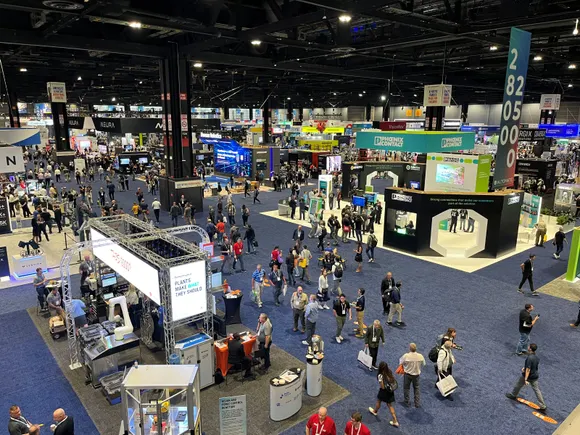
The U.S. Department of Commerce Office of Inspector General (OIG) released a final audit report on September 19, stating that the Ohio Department of Development (ODOD) failed to accurately report financial results, ensure subcontractor cost compliance, and had oversight deficiencies while managing Manufacturing Extension Partnership (MEP) grants. The report questioned $20.9 million in costs and found $2.8 million in unreported income. NIST has suspended related grants, ODOD stated it will seriously implement corrective actions, while subcontractor MAGNET disputed most of the findings.
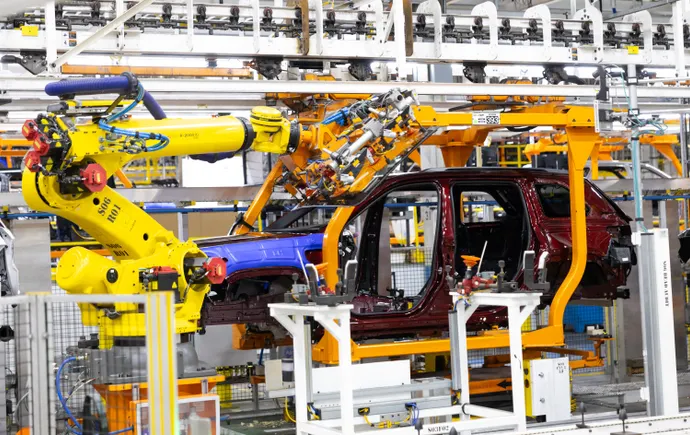
A global survey commissioned by Intel reveals a clear gap between expectations and readiness for robot deployment in manufacturing. Although 70% of executives expect to have a robot workforce within five years, only 40% have a formal human-robot collaboration strategy, with an overall readiness gap of 26%.

The U.S. Department of Defense paused CMMC Phase 2 implementation on July 13, but experts emphasize that compliance requirements remain unchanged. This article analyzes the reasons for the delay, cost impacts, and how suppliers should use the buffer period to advance compliance.

Cleveland-Cliffs announced on Friday that it will invest $1 billion over the next four years to upgrade the blast furnace and related steel infrastructure at its Middletown, Ohio plant. Half of the funding is supported by a grant awarded by the U.S. Department of Energy during the Biden administration, but the project scope has shifted from low-carbon technology to blast furnace overhaul and energy efficiency improvements, drawing criticism from environmental groups.

US-Canada trade talks broke down on Friday, and Trump's previously announced 50% tariffs on $20 billion worth of Canadian imports officially took effect. Canadian Prime Minister Carney stated he would impose 'reciprocal' tariffs and announced countermeasures would be implemented on September 8. Differences over the future framework of USMCA have intensified.

Facing rising energy costs driven by geopolitical turmoil, the AI infrastructure boom, and federal policies, packaging companies such as Smurfit Westrock and Specialized Packaging Group are enhancing energy resilience and reducing operational costs through virtual power purchase agreements, solar-plus-storage projects, and efficiency improvements. Industry experts emphasize that efficiency-first and fast-return investment strategies are key.

Pneumatic systems are regarded as the "third utility" due to the high energy consumption of compressed air, and difficulties in leak detection lead to lagging energy efficiency management. This paper proposes a low-cost, easy-to-operate Air Management System (AMS) that continuously monitors key performance indicators such as pressure and flow, helping factories locate leaks, optimize air usage, and implement condition-based maintenance (CBM), thereby reducing energy waste and enhancing equipment reliability.

An EHS manager at a mid-sized specialty chemical manufacturer faced relentless questioning during an audit: how conclusions were reached, who signed off, and when regulations were last checked. The answers existed, but the chain of evidence did not. This reflects the new normal in manufacturing compliance: access to information is no longer the bottleneck—defending the answer is. With regulations such as PFAS restrictions, REACH, TSCA, and GHS 7 changing frequently and unevenly, teams must prove that decisions were grounded in evidence at the time and reviewed by qualified personnel. Risks often lurk in single-person decisions, missing records, personnel turnover, or inconsistencies across sites. Leaders should ask themselves: Can they quickly trace the source of an answer? Do they know who reviewed it and when it was confirmed? Can they defend past decisions without rebuilding them from scratch? The industry is shifting toward traceability and expert validation as core requirements, with the goal being answers that stand the test of time.
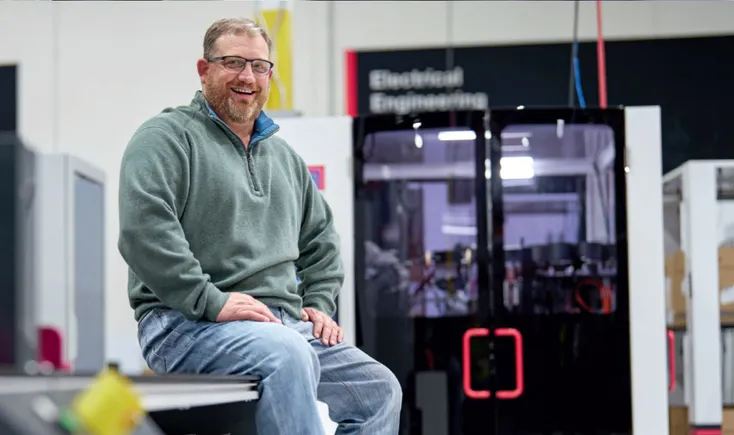
Manufacturing enterprises often lose efficiency and profit due to information gaps between design, procurement, and production. Eplan and Rittal integrate the process from design to delivery into a single data chain through digital twin technology, eliminating manual handover steps. The case of R&D Specialties shows that after adopting this solution, the team size was reduced from 14 to 8 people, productivity increased by 40%, and no additional hiring was needed.