


Latest news
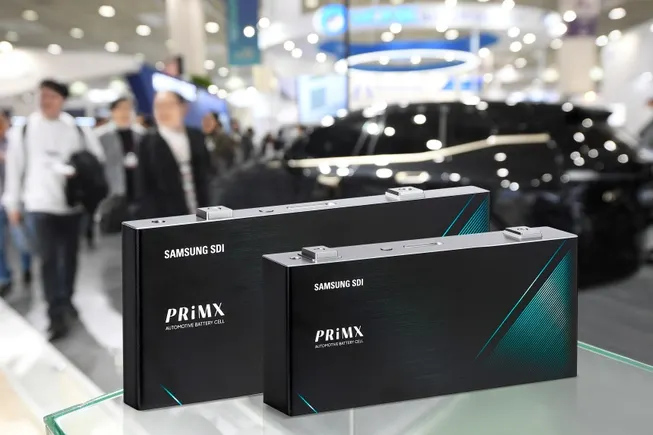
Samsung SDI has acquired General Motors' entire 49.99% stake in the SynergyCells EV battery plant in New Carlisle, Indiana, making the facility its first wholly owned battery factory in North America. The move reflects GM's revised electrification strategy amid slower-than-expected EV demand. Samsung SDI will repurpose the plant for stationary energy storage batteries and other high-tech applications. The companies also signed a new agreement to develop high-energy-density, fast-charging prismatic cells for future EVs.
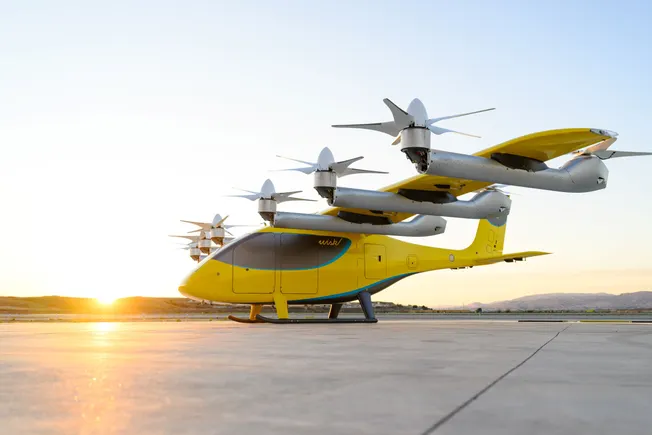
Boeing is divesting three subsidiaries—Wisk Aero, Insitu, and Skygrid—to electric aircraft maker Archer Aviation, acquiring a minority stake and agreeing to invest up to $55 million in Archer's next funding round. The transaction, disclosed in a Monday securities filing, is slated to close by the end of 2026.
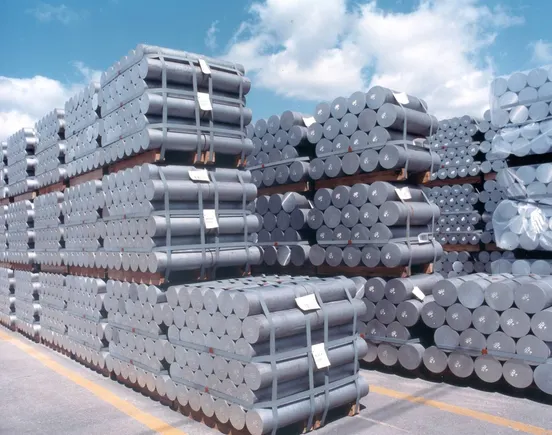
Century Aluminum's CEO Jesse Gary confirms the Oklahoma smelter project remains on schedule for groundbreaking this year and hot metal production by end of 2029, despite local legal challenges and permit reviews.
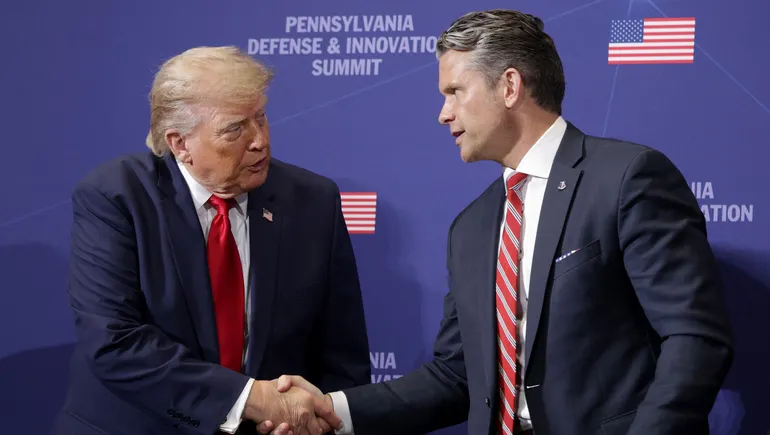
The U.S. Department of Defense announced the signing of multiple agreements totaling $2.03 billion aimed at securing battery and critical mineral supplies. Among these, the Office of Strategic Capital signed loan commitments totaling $1.95 billion with three battery and mineral companies, while the economic defense division invested $85.5 million in Strategic Bauxite USA for a mine acquisition in Guyana. Additionally, the Department of Defense allocated $81.3 million to support mining and metallurgy education, complementing a $100 million Department of Energy workforce initiative to address supply chain and talent gaps.
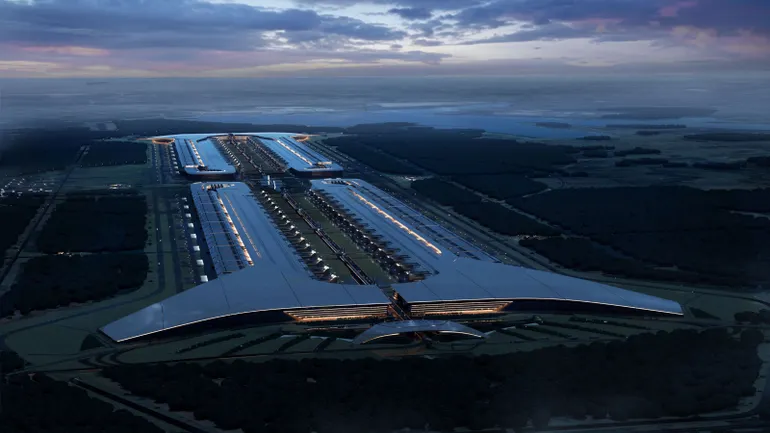
SpaceX announced on Thursday that it will invest $16.8 billion in the first phase of its Terafab semiconductor manufacturing project in Grimes County, Texas. The project covers 100 million square feet and, once completed, will produce chips for both SpaceX and Tesla. Construction of the first phase is scheduled to begin this year and is expected to create 3,000 jobs. SpaceX has received $30 million in "deal-closing" incentive funds from the Texas Enterprise Fund.
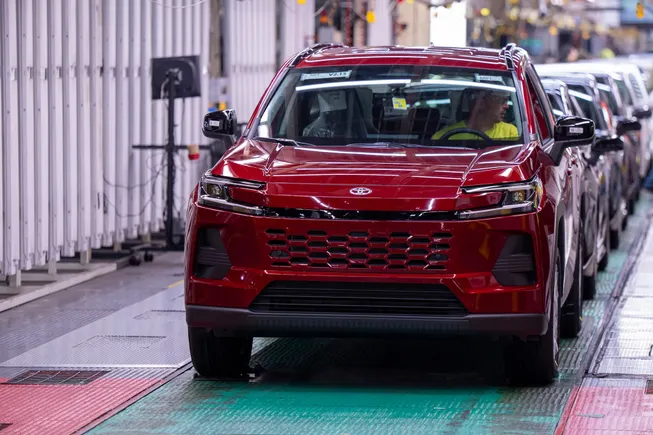
Data released by the U.S. Bureau of Labor Statistics on August 2 shows that manufacturing added 5,000 jobs in July, an improvement from May, but still lower year-over-year compared to July 2025 (when 11,000 jobs were cut that month). June saw a revised increase of 11,000 jobs, far exceeding the initial estimate of 3,000. The number of unemployed workers in manufacturing fell to 550,000, down more than 33% year-over-year. The ISM employment index rose to 52.8%, marking the first expansion in 33 months. Industry leaders are cautiously optimistic but face challenges from energy price volatility and tariffs.
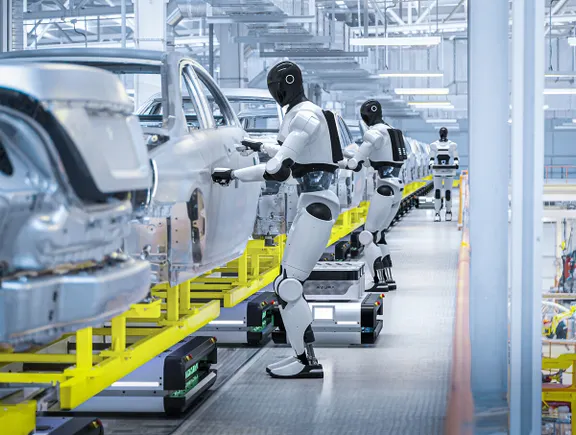
The U.S. Federal Communications Commission (FCC) updated its covered list on July 28, banning the import and sale of foreign-made mobile robots and connected power inverters, sparking heated discussion among experts. Some experts believe this move aims to boost domestic robot production, but others worry it may affect allies and impact the supply chain.
GlobalFoundries' second-quarter revenue was $1.79 billion, up 9% sequentially, with record year-over-year growth in the communications infrastructure and data center end markets. The company completed the acquisition of Synopsys' ARC processor IP business and received a $375 million grant from the U.S. Department of Commerce to advance quantum manufacturing.
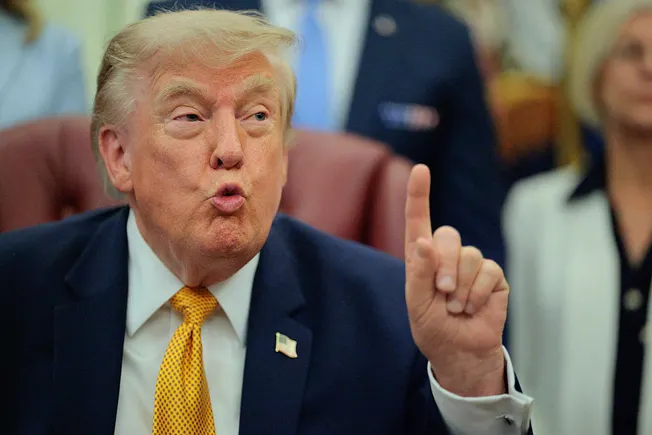
U.S. President Trump announced a 15% tariff on polysilicon and its derivatives, including solar cells and certain semiconductor devices, citing that imports threaten national security and undermine domestic U.S. production capacity. The tariff, implemented under Section 232, takes effect on December 4 and replaces the safeguard tariffs on solar cells and modules that expired in February. Additionally, the announcement sets a minimum import price and allows companies to obtain tariff relief by committing to build plants in the U.S.
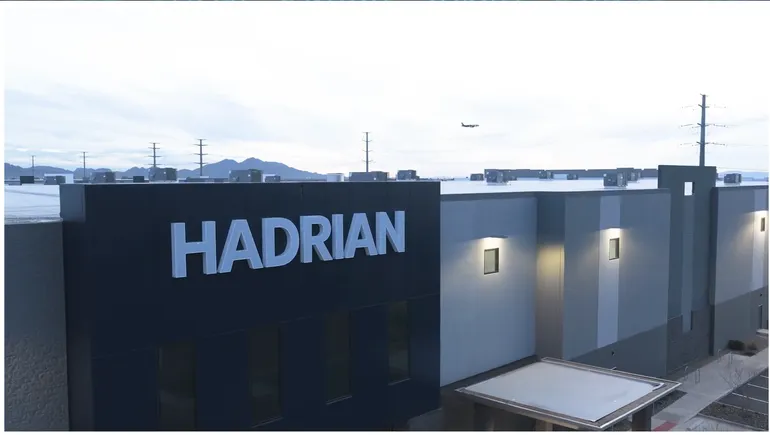
Hadrian announced a $1.37 billion Series D funding round, reaching a valuation of $7.9 billion. The capital will be used to build new factories, expand R&D and manufacturing capabilities, and plan to increase staffing from 700 to 2,000 employees to strengthen the U.S. defense, aerospace, and industrial systems supply chain.